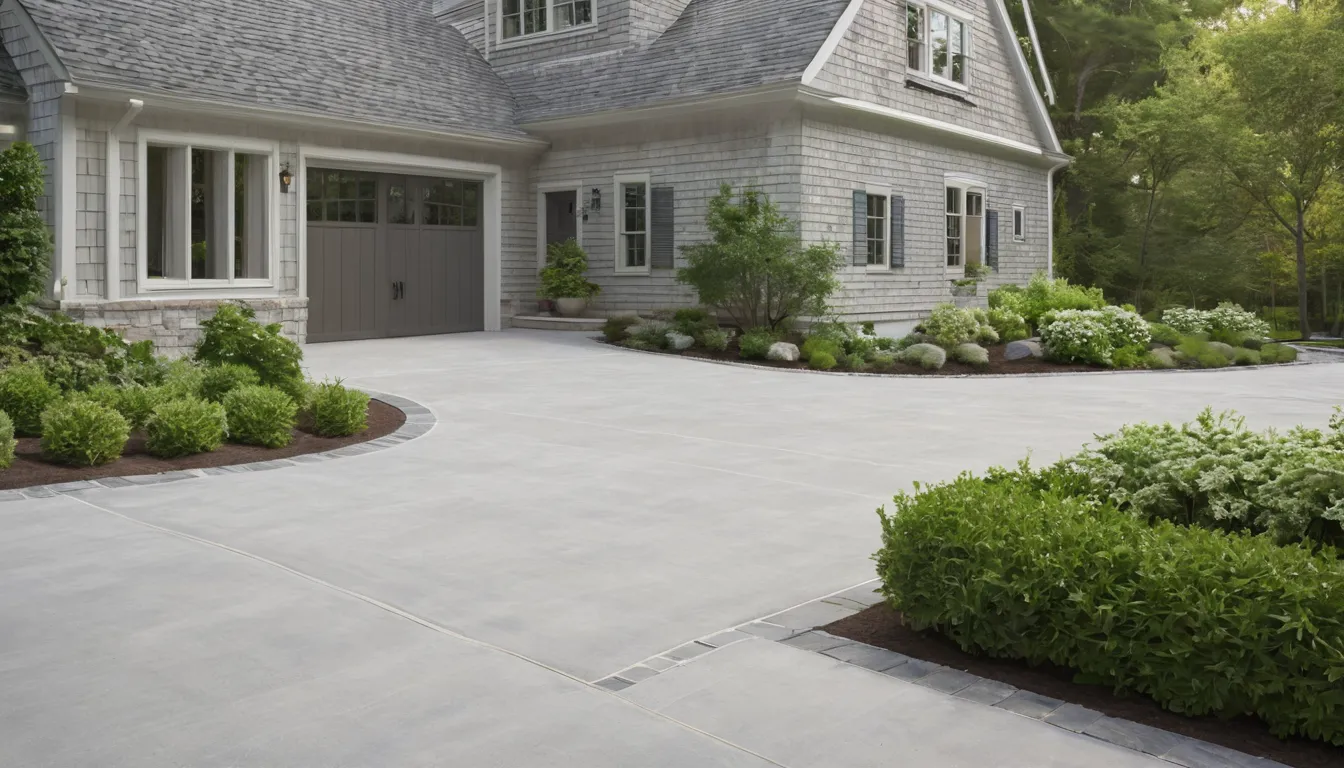
Home Concrete Driveways: Plan a Driveway You Can Trust
Request an estimate today
Your driveway takes a beating. Cold winters, road salt, and heavy cars all wear on it. Small cracks and a rough surface are often the first hints that a new slab is coming. Notice it early, and you can plan the job on your own schedule instead of in a rush.
Territoryjimmy Concrete is a referral service. We do not pour concrete. We connect homeowners in New Haven, CT with independent local providers in our network who handle new driveways. This page explains the warning signs, the seasons, and what the project involves. Then you can request an estimate and compare your options with confidence.
Worried About Your Driveway? Start Here
A cracked or sunken driveway can feel like a big, costly problem. Take a breath. Most driveways give warning signs long before they fail. If you notice them early, you have time to plan, ask questions, and compare options.
When you are ready to talk with a local provider about a new driveway, you can request an estimate in a few minutes.
Early Warning Signs of a Tired Driveway
Small clues add up. Here is what to look for as you walk the slab.
Cracks That Keep Growing
Hairline cracks are common and often harmless. Cracks wider than a pencil, or ones that spread each year, are different. Water seeps in, freezes, and pushes the concrete apart.
Sunken or Tilted Slabs
When one section sits lower than the next, the soil underneath has likely shifted. That can pool water and create a trip hazard.
Flaking, Pitting and Rough Spots
A crumbly top layer often comes from road salt and repeated freezing. Once the surface goes, the rest tends to follow.
Water Running the Wrong Way
Watch where rain and snowmelt go. If water heads toward the house, especially an older stone or block foundation, it is worth acting soon.
Repair or Replace?
Concrete driveway repair can make sense for a few narrow cracks or one damaged corner. If the damage spreads across much of the slab, patches usually fail again. A provider can look at your driveway and tell you which path fits.
If cracks run toward the house or water collects near the walls, ask whether foundation repair experts should take a look as well. A driveway is not the only thing that moves in freezing ground.
Plan With the Seasons
Concrete needs mild weather to cure well. In places with cold, snowy winters, most pours happen from late spring through early fall.
Winter and Spring Thaw
Freeze-thaw cycles and spring snowmelt show you where your driveway is weak. Take notes and photos of cracks and puddles. They help a provider give a clearer estimate.
Summer and Early Fall
This is busy season. Providers fill their calendars, so asking early gives you more choice of dates. Fall work is possible, but it needs to finish before hard frost.
Coastal Storms and Salt
Storm spray and winter salt are tough on concrete. Ask providers about sealing and drainage so your new slab can handle both.
What a New Driveway Project Includes
Every job differs, but most follow the same path:
- Removing and hauling away the old slab
- Grading the ground so water drains away
- Laying a firm gravel base
- Setting forms and adding rebar or mesh
- Pouring, smoothing, and finishing the concrete
- Cutting joints so cracks form in neat lines
- Curing and sealing
This kind of concrete flatwork is hard to fix once it hardens. That is why the prep matters as much as the pour.
Choosing Size, Thickness and Finish
Size
Measure how many cars you park and how wide you like to turn. Extra width near the garage makes daily life easier.
Thickness
Many home driveways are about four inches thick. Heavier trucks or poor soil may call for more. Ask the provider to explain their reasoning.
Finish
A broom finish gives grip in wet and icy weather. Stamped or colored finishes look lovely but cost more. Pick what suits your home and your winters.
Permits and the Street Apron
The apron is the part of the driveway that meets the street. Many towns have rules for its width, slope, and thickness. Some require a permit for the whole project. Ask your provider who handles the paperwork, and check with your local building office if you are unsure.
Choosing a Concrete Provider
Take your time. Ask each provider:
- Will you give a written quote with the full scope?
- How will you prepare the base and drainage?
- What thickness and reinforcement do you plan to use?
- How do you handle permits and cleanup?
- Can you share proof of insurance and licensing?
Providers in our network are independent businesses. You decide who to hire.
After the Pour
The First Few Days
Keep cars and heavy items off the new slab until the provider says it is ready. Keep pets and kids off the surface while it sets.
The First Winter
New concrete is more sensitive to salt in its first season. Ask your provider when sealing is wise, and use gentler snow melt options. Shovel carefully so you do not chip the edges.
Your Next Step
You do not have to solve everything today. Write down what you see, take a few photos, and take one clear step. Request a callback to check provider availability, or send a request and compare what you hear back.
What's Included
Old Slab Removal
Providers break up and haul away the cracked concrete so the new driveway starts clean.
Grading and Base
The ground is shaped and packed with gravel so water drains away from your home.
Forms and Reinforcement
Wood forms set the shape, and rebar or mesh adds strength against cracking.
Pour, Finish and Cure
Concrete is poured, smoothed, jointed, and left to cure before use.
Typical Costs for a New Concrete Driveway
Prices vary a lot by size, soil, finish, and local rules. These typical U.S. ranges are a starting point, so always get a written quote.
| Item | Typical range | Notes |
|---|---|---|
| Standard two-car driveway | $4,000 – $8,000 | Plain broom finish, average site |
| Old slab removal | $600 – $2,500 | Depends on thickness and hauling |
| Base prep and grading | $500 – $2,000 | Poor drainage can raise the price |
| Rebar or mesh | $300 – $1,200 | Adds strength for heavier vehicles |
| Decorative finish upgrade | $1,500 – $5,000 | Color, stamping, or exposed stone |
| Sealing and permits | $250 – $1,000 | Apron rules differ by town |
How It Works
Look and Note
Walk your driveway and jot down cracks, dips, and puddles. Photos help too.
Request an Estimate
Tell us about your project through the short form. It takes only a few minutes.
Talk With a Provider
A local provider reviews your details and may visit to measure and discuss options.
Compare and Choose
Review written quotes, ask your questions, and pick the provider that feels right.
Why Call Territoryjimmy Concrete
Plain, Calm Guidance
We explain the signs and steps in simple words, so you feel ready before you talk to anyone.
Local Providers
Independent providers in our network know the weather and soil in your area.
Honest Roles
Territoryjimmy Concrete is a referral service. Providers do the work, and you choose who to hire.
Clear Next Step
Send one short request, then compare answers at your own pace with no obligation.
Other Services
Need home concrete driveways in New Haven?
Tell us about your driveway or patio project. Request an estimate, or ask a question about how the referral service works.
No obligationHome Concrete Driveways FAQ
How do I know if my driveway needs to be replaced?
Look for wide or spreading cracks, sunken slabs, flaking surfaces, and water pooling. If damage covers much of the driveway, replacement often lasts longer than patching. A local provider can look and give honest advice.
What time of year works well for pouring a concrete driveway?
Concrete cures well in mild weather, so late spring through early fall is common in cold climates. Providers get busy then, so asking early gives you more choice of dates and time to plan.
How thick should a new concrete driveway be?
Many home driveways are about four inches thick. Heavier vehicles or weak soil may need more thickness or added reinforcement. Ask each provider to explain their plan in writing so you can compare quotes fairly.
Tell us what happened
Tell us about your driveway or patio project. Request an estimate, or ask a question about how the referral service works.
No obligation