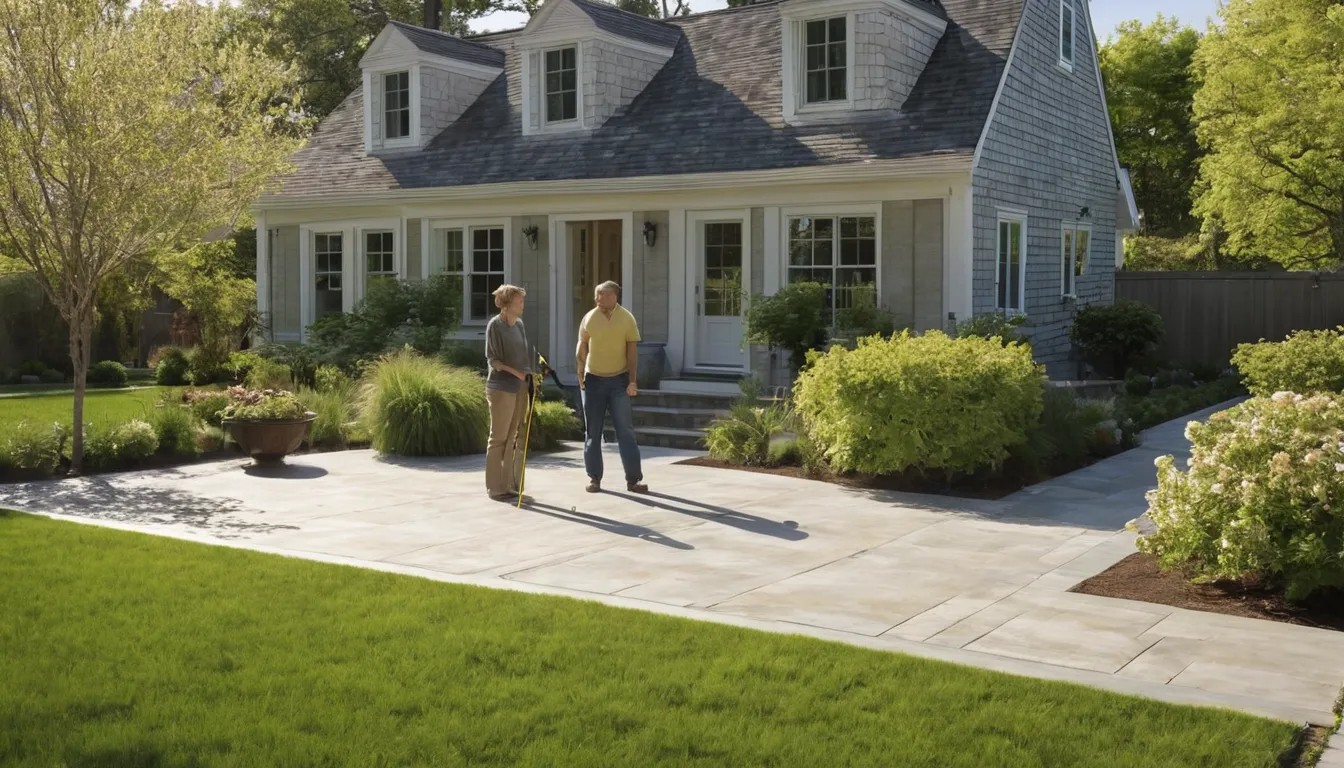
Concrete Patios for Homes in New Haven
Request an estimate for your patio
A patio is a spot to sit, cook, and visit with people you like. But the ground behind many homes is soggy, sloped, or cracked. That is a worry, and it is a common one. Territoryjimmy Concrete is a referral service. It does not pour concrete. It helps you reach independent providers in our network who do.
On this page, you will learn how to spot early signs that your outdoor space needs a fresh start. You will also see how the seasons shape timing, what a project includes, and what typical costs look like. Notice it early, plan with the seasons, and then request an estimate. A local provider can walk the yard with you and explain the options in plain words.
Thinking About a New Patio? Start Here
Most people begin with a small worry. The back step feels wobbly. Water sits near the door. The old pavers have shifted. If that sounds like your yard, you are in the right place.
A new concrete patio is a big choice, but it does not have to be a stressful one. Take it in small steps.
Plan With the Seasons
Concrete is picky about weather. It cures well when days are mild and the ground is not frozen. In places with cold, snowy winters, the pouring season can be short.
Why Early Planning Helps
When warm weather arrives, many homeowners call at once. Providers get busy. If you ask early, you have more time to compare options and pick a start date that suits you.
What Winter and Spring Do to the Ground
Snowmelt soaks the soil each spring. Coastal storms can add more water. Wet ground moves, and moving ground is hard on any slab. A provider will want to see how your yard handles this.
Notice It Early: Signs You May Need a New Patio
Small signs often show up before big trouble. Catching them gives you time to plan instead of rush.
Slabs That Tilt or Sink
If one edge sits lower than the rest, the soil underneath may be washing out. A tilted slab can also send water toward your house.
Cracks, Flaking, and Crumbling Edges
Hairline cracks are common. Wide gaps, flaking tops, and crumbling corners are different. Repeated frost and thaw cycles can cause them, especially on older concrete.
Puddles That Stay Put
Water that lingers after rain is a clue. It may mean the slope is wrong. A new patio can be set at a better pitch.
Why Homeowners Choose Concrete
Concrete is sturdy and simple. It handles chairs, grills, and planters. It can be shaped to fit odd corners, which helps on small lots and around Cape-style homes.
It also gives you many looks. You can keep it plain, add color, or press in a pattern. Good concrete flatwork can sit quietly in your yard for years when it is prepared well.
What a New Patio Project Includes
Every yard is different, so each project is a bit different too. Most follow the same basic path.
Prep and Base
The provider marks the area and removes old material or sod. Then they build a base of compacted stone. This layer matters a lot. It helps the slab stay level and lets water move away.
Forms, Pour, and Finish
Wood or metal forms hold the shape. Concrete is poured, leveled, and finished. Joints are cut so the slab can move a little without cracking at random.
Sizing Your Patio
Think about how you will use the space. A bistro table needs less room than a dining set and grill. Many providers suggest leaving space to walk around furniture.
Mark the shape with a garden hose or rope. Sit in the spot for a day. Does it feel right? Share what you learn when you request an estimate.
Finish Options
The top of the slab is what you see and feel every day. Ask each provider to show you samples.
Broom Finish
A light brushed texture is common. It gives grip when wet and suits most yards.
Stamped Concrete Patios
Stamped concrete patios use patterns pressed into the surface to look like stone, brick, or wood. They cost more than plain slabs, but many homeowners like the look. Color can be added too.
Exposed Aggregate
This finish shows small stones in the surface. It is rugged and has a natural feel.
Drainage and Your Foundation
Water is the thing to watch. A patio should slope gently away from your house. If it does not, water can pool along the wall.
Homes with stone or block foundations and full basements need extra care. Damp walls, new cracks, or a musty smell are signs to look into. Foundation repair experts are a separate trade, so ask about them if you see those signs. A patio provider can still plan the slope so the new slab helps rather than hurts.
When You Need Something Else
This page is about new patios. If your main need is concrete driveway repair or fixing an old problem, that is a different kind of call. Our network focuses on new concrete projects.
Choosing a Concrete Provider
Take your time. A good match feels clear and calm.
- Ask about the base, thickness, and joints.
- Ask how they handle drainage.
- Ask for a written quote that lists the work.
- Ask about cold-weather pouring and curing.
If you would rather talk it through, request a callback to check provider availability.
Caring for Your New Patio
Good habits keep a slab looking fresh. Let the concrete cure as your provider advises before heavy use. Sweep often, and rinse away dirt.
Be careful with de-icing salts in winter. Ask your provider whether a sealer makes sense, and how often to redo it. Fix small issues early.
Your Next Step
You do not need every answer today. Share a few details about your yard, and a local provider can help with the rest.
What's Included
Site Walk and Layout
A provider looks at your yard, slope, and door height, then talks through shape and size.
Base and Prep Work
Old material is cleared and a firm stone base is built so the slab stays level.
Forms and Pour
Forms set the edges, then concrete is poured, leveled, and cut with joints.
Finish and Curing
The surface is finished to your pick, then left to cure before regular use.
Typical Concrete Patio Costs in the U.S.
Prices vary by yard, size, finish, and local labor. These are broad U.S. ranges, not quotes. Always ask for a written quote that lists what is included before work starts.
| Item | Typical range | Notes |
|---|---|---|
| Plain broom-finish patio | $6 – $12 per sq ft | Most common choice for simple yards |
| Stamped concrete patio | $12 – $22 per sq ft | Pattern and color raise the price |
| Exposed aggregate finish | $8 – $18 per sq ft | Stone choice affects the cost |
| Site prep and base | $1 – $4 per sq ft | Depends on soil and old material |
| Removing an old slab | $2 – $6 per sq ft | Thickness and access matter |
| Sealer after curing | $1 – $3 per sq ft | Reapplied over the years |
How It Works
Share Your Plan
Tell us the size you want, how you will use it, and any worries about water.
Get Matched Locally
We point you to an independent provider in our network near New Haven.
Review the Written Quote
Compare the base, finish, and drainage plan, and ask any questions you have.
Schedule With the Seasons
Pick a start date that suits the weather and curing needs.
Why Call Territoryjimmy Concrete
Plain Words, Clear Steps
We explain options simply so you can decide without feeling rushed or confused.
Independent Providers
Work is done by local providers in our network, not by Territoryjimmy Concrete.
Season-Smart Planning
Ask early and you can pick a start date that fits the weather and your plans.
No Obligation
Request an estimate, compare what you hear, and choose only if it feels right.
Other Services
Need concrete patios in New Haven?
Tell us about your driveway or patio project. Request an estimate, or ask a question about how the referral service works.
No obligationConcrete Patios FAQ
When is the right time to pour a concrete patio?
Mild weather with unfrozen ground is ideal. In areas with cold, snowy winters, many homeowners plan in late winter or early spring so a provider can book the warm months.
How thick should a concrete patio be?
Many patios are about four inches thick over a compacted stone base. Heavier loads or soft soil may need more. A local provider can advise based on your yard.
Does a patio need a permit?
It depends on your town and the size of the project. Rules vary, so ask the provider and your local building office before work begins.
Tell us what happened
Tell us about your driveway or patio project. Request an estimate, or ask a question about how the referral service works.
No obligation